
What will you learn?
Why Brand Identity Matters
Your brand identity is more than just a logo. It includes your colors, fonts, messaging, and overall visual style. Together, these elements create the first impression of your business. Therefore, having a clear identity helps customers recognize your brand and remember it later.
A professional brand also builds trust. Whether customers visit your website, social media pages, or product packaging, they should see the same design style everywhere. As a result, your business looks more reliable and organized.
Key Benefits
- Builds customer trust
- Improves brand recognition
- Creates a professional image
- Supports long-term marketing
- Helps your business stand out
Plan Your Brand Before Designing
Before creating your logo, spend time planning your brand. First, define your business goals and values. Then, identify your target audience and understand what they expect from your business. This planning makes every design decision easier.
Next, research competitors. Look at their logos, colors, and branding style. However, do not copy them. Instead, identify ways to make your brand unique while remaining relevant to your industry.
Finally, choose the personality you want your business to represent. Your brand may look modern, friendly, premium, creative, or professional. Keeping this personality consistent helps customers connect with your business.
Key Points
- Define your business mission
- Identify your target audience
- Research competitors
- Select your brand personality
- Create simple brand guidelines
Create a Budget Logo
A good logo does not need to be complicated. In fact, many successful brands use simple logos because they are easy to recognize. Keep your design clean and avoid adding too many colors or decorative elements.
Many affordable online tools allow you to create professional logos using customizable templates. You can also hire freelance designers if you need a custom logo while staying within your budget.
Always create your logo in high-quality formats so it works on websites, business cards, packaging, and social media. In addition, test your logo in different sizes to ensure it remains clear everywhere.
Key Points
- Keep the logo simple
- Use readable typography
- Limit your color palette
- Design for all screen sizes
- Save high-resolution files
Choose Brand Colors and Fonts
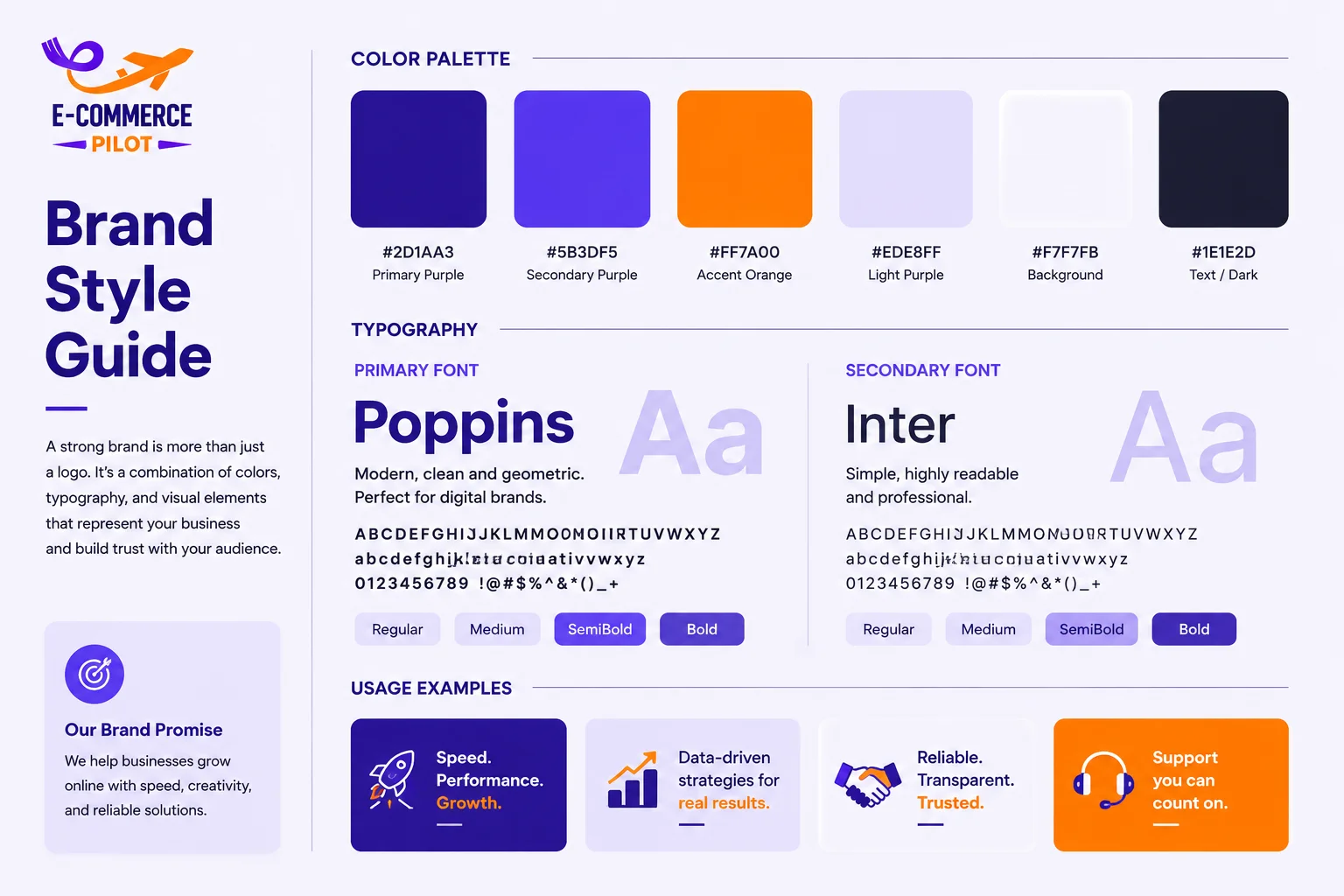
Colors influence how customers feel about your business. Therefore, choose two or three primary colors that match your brand personality. Using too many colors can make your branding look confusing.
Fonts also affect readability and professionalism. Select one font for headings and another for body text. Then, use these fonts consistently across your website, social media, presentations, and printed materials.
Simple typography and consistent colors make your business look organized. Consequently, customers can identify your brand more quickly.
Key Points
- Select two or three brand colors
- Use readable fonts
- Keep typography consistent
- Follow accessibility guidelines
- Maintain visual balance
 Build a Consistent Brand Identity
 Build a Consistent Brand Identity
Consistency is one of the most important parts of branding. Customers should see the same logo, colors, fonts, and visual style wherever they interact with your business.
For example, your website, Facebook page, LinkedIn profile, email signature, brochures, and advertisements should all follow the same branding rules. This consistency increases customer confidence and strengthens brand recognition over time.
Creating a simple brand guide helps maintain this consistency. Even a one-page document listing your logo usage, colors, fonts, and spacing rules can prevent branding mistakes.
Key Points
- Use the same logo everywhere
- Keep colors consistent
- Follow the same typography
- Maintain the same visual style
- Create basic brand guidelines
Affordable Branding Tools
Many affordable tools make branding easier for startups and small businesses. These platforms provide logo templates, color palette suggestions, icon libraries, and brand kits that save both time and money.
However, tools only provide a starting point. You should always review every design carefully before using it publicly. Small improvements in spacing, alignment, and typography can make a noticeable difference.
Key Points
- Logo design platforms
- Color palette generators
- Font libraries
- Brand kit creators
- Mockup tools
Common Branding Mistakes
Many businesses weaken their branding by making unnecessary changes. Frequently changing logos or using different colors across platforms confuses customers and reduces brand recognition.
Another common mistake is using too many fonts or decorative graphics. Instead, keep your branding simple and easy to recognize. Also, ensure your logo looks good on both desktop and mobile devices.
Key Points
- Using too many colors
- Choosing difficult fonts
- Copying competitors
- Frequently changing logos
- Ignoring mobile responsiveness
When to Hire a Professional
Although DIY branding works well for startups, growing businesses often benefit from professional design services. A designer can create a custom logo, complete brand guidelines, and marketing materials that reflect your business goals.
Professional branding also saves time and creates a stronger first impression. Therefore, consider hiring experts when expanding your business or launching a new product.
Key Points
- Business growth
- Rebranding projects
- Custom logo design
- Complete brand identity package
Conclusion
Creating a Budget Logo and Brand Identity in 2026 does not require a large investment. Instead, focus on planning your brand, designing a simple logo, choosing consistent colors and fonts, and maintaining the same visual style across every platform. Affordable tools can help you get started, while professional support becomes valuable as your business grows. A strong brand identity builds trust, improves recognition, and supports long-term success.
Ready to create a professional brand without overspending? Let our experts design your logo and complete brand identity at a price that fits your budget.