
What will you learn?
What Is WordPress and Shopify?
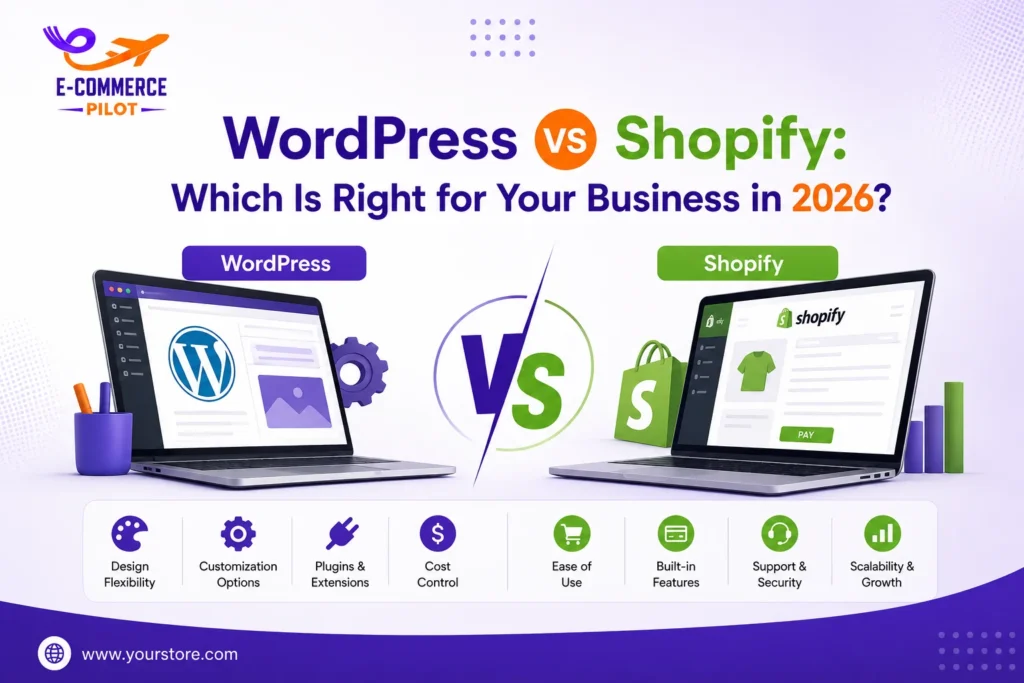
Before comparing features, it is important to understand what each platform offers. While both help businesses build websites, they work differently. WordPress is an open-source content management system that gives users full control over customization and functionality. Shopify, on the other hand, is a hosted ecommerce platform designed to simplify online selling.
WordPress Overview
WordPress powers millions of websites worldwide because it offers flexibility and control. Users can install themes, plugins, and custom features based on their needs. Moreover, businesses can create blogs, portfolios, ecommerce stores, and corporate websites on the same platform.
Key Benefits of WordPress
- Complete ownership of website files
- Thousands of plugins and themes
- Strong content management capabilities
- Advanced SEO customization
- Suitable for businesses of all sizes
Shopify Overview
Shopify focuses primarily on ecommerce businesses. It provides hosting, security, payment processing, and store management tools in one package. As a result, users can launch an online store quickly without dealing with technical tasks.
Key Benefits of Shopify
- Easy store setup
- Built-in ecommerce tools
- Secure hosting included
- Multiple payment options
- Reliable customer support
WordPress vs Shopify: Key Differences at a Glance
Businesses often compare these platforms because both can power successful online stores. However, the biggest difference lies in flexibility versus convenience. WordPress offers greater control, while Shopify provides a simpler experience. Therefore, your choice depends on your goals and technical comfort level.
| Feature | WordPress | Shopify |
| Ease of Use | Moderate | Easy |
| Customization | Extensive | Limited |
| Hosting | Separate | Included |
| SEO Control | Advanced | Good |
| Ecommerce Setup | Requires Plugins | Built-In |
| Maintenance | User Managed | Shopify Managed |
| Pricing Flexibility | High | Fixed Plans |
Ease of Use and Setup Process
When starting a website, ease of use plays a major role. Many business owners prefer platforms that require minimal technical knowledge. Therefore, understanding the setup process can help avoid future challenges.
Shopify Offers a Faster Start
Shopify is built for beginners who want a quick setup process. Users simply create an account, select a theme, add products, and start selling. In addition, hosting and security are already included.
WordPress Requires More Configuration
WordPress gives users more control but requires additional setup. You must purchase hosting, install WordPress, and configure plugins. Although this takes more time, it provides greater flexibility later.
Design Flexibility and Customization
Website appearance affects branding, user experience, and conversions. Therefore, businesses should consider how much design freedom they need before choosing a platform.
WordPress Provides Complete Creative Freedom
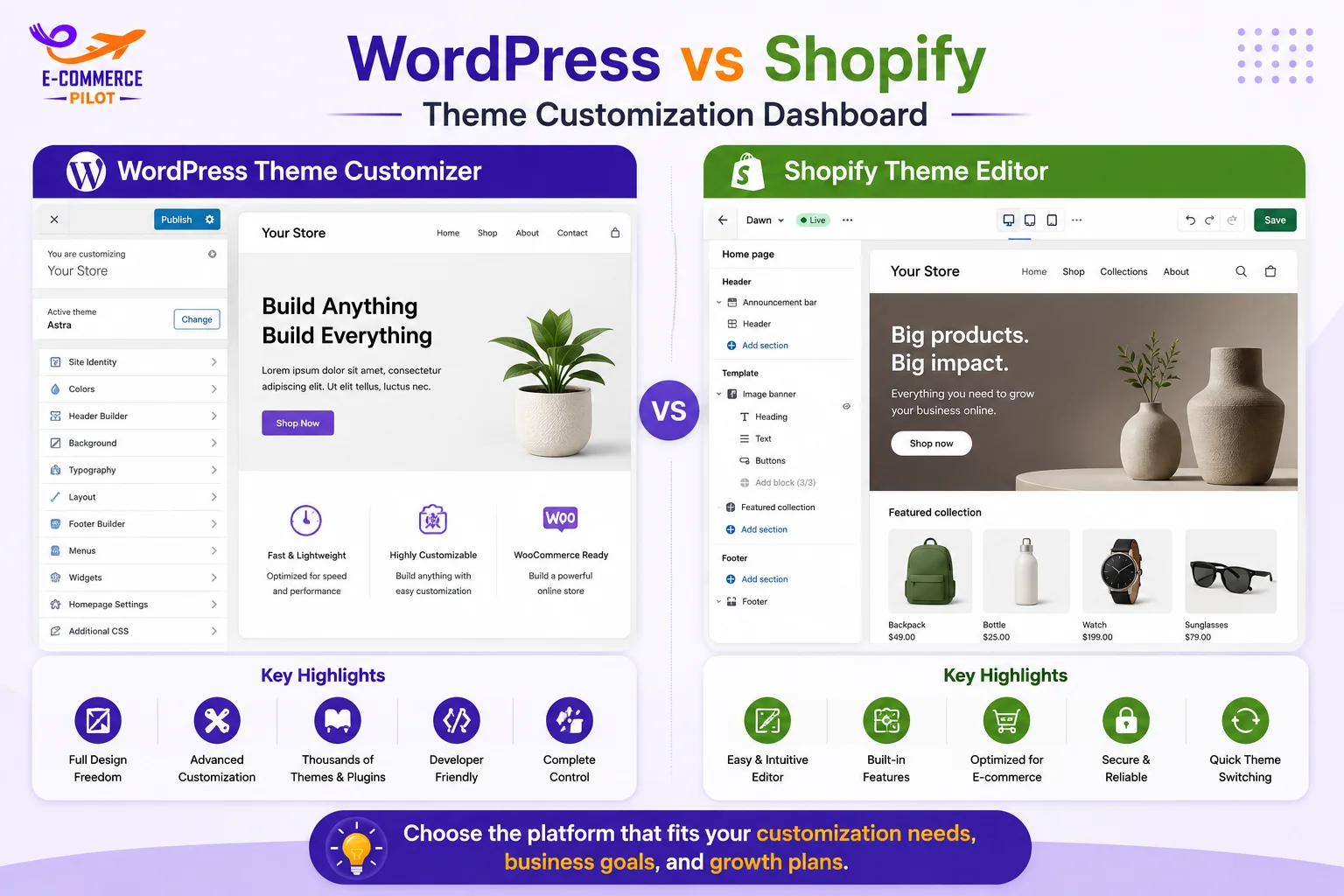
WordPress allows businesses to customize almost every aspect of their website. Thousands of themes and page builders make design adjustments easier. Furthermore, developers can modify code for unique requirements.
Shopify Focuses on Simplicity
Shopify offers professional themes that are easy to customize. However, advanced modifications may require coding knowledge or premium apps. As a result, customization options are more limited compared to WordPress.
WordPress vs Shopify for Ecommerce Features
Online selling requires reliable tools for product management, payments, and customer experiences. Both platforms support ecommerce, but they approach it differently.
Shopify Includes Ecommerce Tools by Default
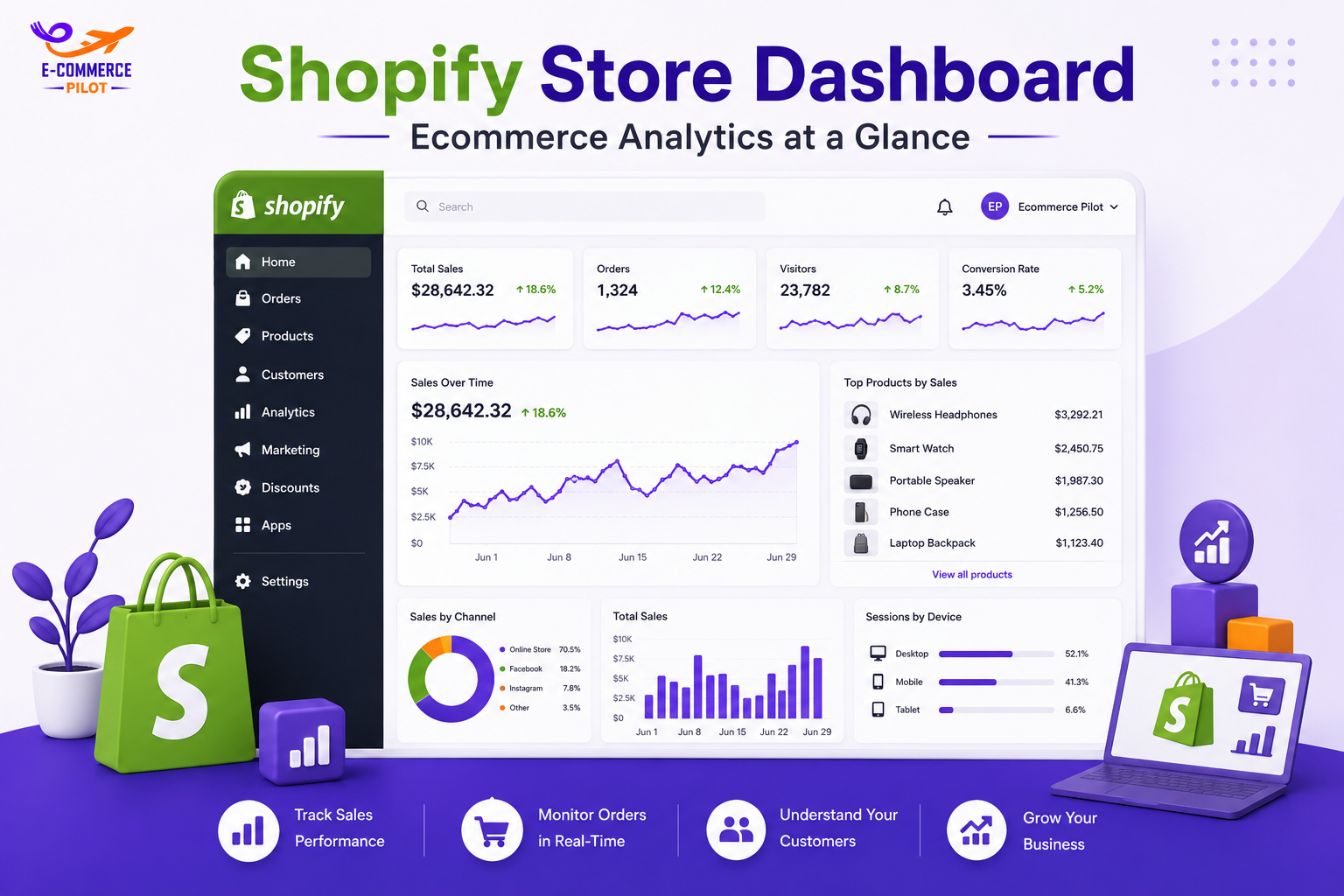
Shopify comes with inventory management, payment processing, shipping options, and sales reporting. Therefore, businesses can manage operations from a single dashboard.
WordPress Relies on WooCommerce
WordPress requires plugins such as WooCommerce to enable ecommerce functionality. While setup takes longer, businesses gain greater flexibility and customization options.
Important Ecommerce Features
- Product management
- Payment gateways
- Inventory tracking
- Discount creation
- Shipping integrations
- Customer account management

SEO Capabilities
Search engine visibility helps businesses attract traffic and generate sales. Therefore, SEO features should be a major consideration when comparing platforms.
WordPress Offers Greater SEO Control
WordPress is often preferred by SEO professionals because it supports advanced optimization. Users can control URLs, metadata, schema markup, and technical settings through plugins.
Shopify Provides Strong Built-In SEO
Shopify includes many SEO features out of the box. Although customization is more limited, businesses can still optimize titles, descriptions, and site structure effectively.
SEO Features Comparison
- Meta title editing
- Meta description control
- Sitemap generation
- Mobile responsiveness
- Image optimization
- Schema support
Pricing and Long-Term Costs
The cost of a website platform affects both short-term and long-term business planning. While WordPress and Shopify can both fit different budgets, their pricing structures vary significantly.
WordPress Costs
WordPress is free, but businesses must pay for hosting, themes, plugins, and maintenance. Therefore, costs depend on the features and level of customization required.
Shopify Pricing
Shopify uses monthly subscription plans that include hosting and security. However, premium apps and transaction fees can increase overall expenses.
Security and Website Maintenance
Website security protects customer information and business data. Consequently, maintenance responsibilities should be considered before making a decision.
Shopify Handles Security Automatically
Shopify manages hosting, updates, backups, and security patches. As a result, business owners spend less time on technical maintenance.
WordPress Requires Active Management
WordPress users are responsible for updates, backups, and security measures. However, quality hosting providers and security plugins can simplify these tasks.
Scalability for Growing Businesses
Business growth often brings increased traffic, products, and customer demands. Therefore, scalability should be part of your platform selection process.
WordPress Supports Unlimited Expansion
WordPress can support almost any business model with the right hosting and development resources. Furthermore, customization options grow alongside business needs.
Shopify Handles Growth Efficiently
Shopify offers infrastructure designed for growing online stores. Consequently, businesses can manage higher traffic levels without major technical concerns.
Shopify Provides Dedicated Support
Shopify offers customer support through chat, email, and phone channels. This assistance helps users resolve issues quickly.
WordPress Depends on Service Providers
WordPress support varies based on hosting companies, theme developers, and plugin providers. Although community resources are extensive, support quality differs.
Which Businesses Should Choose Each Platform?
Choosing the right platform depends on business goals, budget, and technical skills. Therefore, understanding ideal use cases can simplify the decision.
Choose WordPress If You Need
- Advanced SEO control
- Content-heavy websites
- Full customization
- Flexible budgets
- Long-term scalability
Choose Shopify If You Need
- Fast store setup
- Easy maintenance
- Built-in ecommerce tools
- Dedicated support
- Simple user experience
Final Verdict
When comparing WordPress vs Shopify, there is no single winner for every business. Shopify is an excellent choice for businesses that want a simple ecommerce solution with minimal maintenance. However, WordPress offers greater flexibility, advanced SEO options, and complete control over website customization. Therefore, businesses should evaluate their goals, budget, and technical requirements before making a final decision. Ultimately, WordPress vs Shopify comes down to whether you value convenience or customization for long-term business growth.
Need help choosing between WordPress and Shopify? Let our experts build the perfect website for your business and help you achieve better results online.