
What will you learn?
Shopify vs WooCommerce in 2026: Understanding the Basics
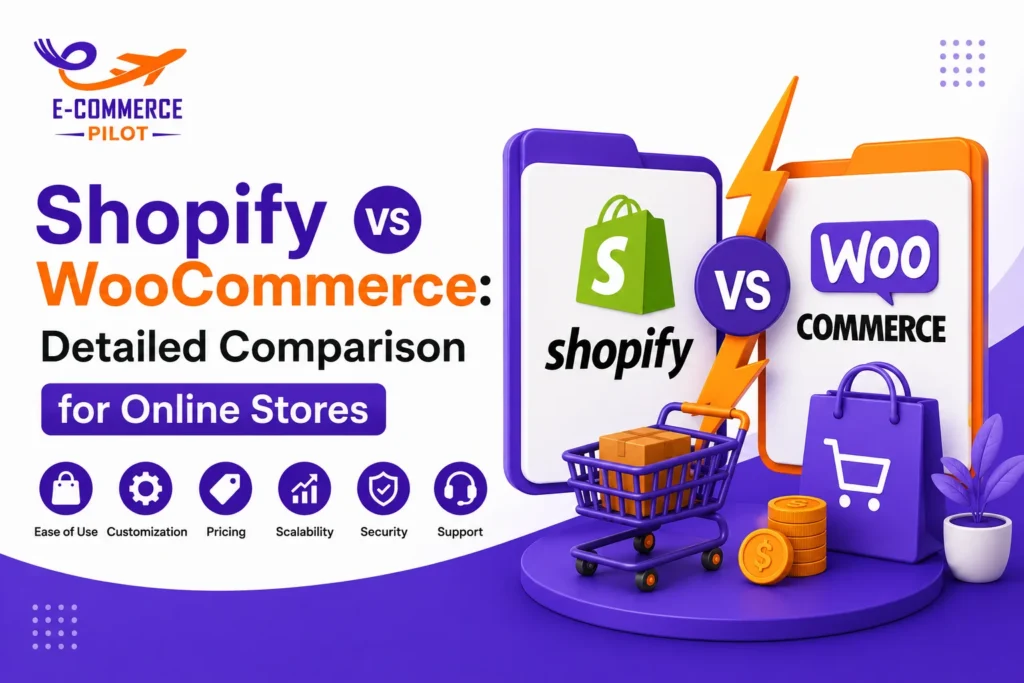
Shopify vs WooCommerce are among the most popular ecommerce platforms available today. Both allow businesses to sell products online, manage inventory, and process payments. However, their approach is very different. Shopify is a hosted platform, whereas WooCommerce is a WordPress plugin.
Businesses often compare these solutions because they want the right balance between convenience and flexibility. While Shopify handles technical tasks for users, WooCommerce gives complete control over website management. As a result, each platform appeals to different types of store owners.
What Is Shopify?
Shopify is a fully hosted ecommerce platform designed to help businesses create and manage online stores quickly. Users can build a store without handling web hosting, security, or software updates. Consequently, it is a popular choice for beginners.
Key features include:
- Built-in hosting
- Secure payment processing
- Mobile-friendly themes
- Inventory management
- Multi-channel selling
Shopify simplifies store management because most technical tasks are handled automatically. Therefore, business owners can focus more on sales and marketing activities.
What Is WooCommerce?
WooCommerce is an open-source ecommerce plugin for WordPress websites. It allows users to convert a standard website into a fully functional online store. Unlike Shopify, WooCommerce requires separate hosting and maintenance.
Key features include:
- Open-source flexibility
- Unlimited customization
- Large plugin ecosystem
- WordPress integration
- Extensive SEO options
Because WooCommerce offers greater control, it is often preferred by businesses that need advanced customization and unique functionality.
Ease of Use and Setup Process
Ease of use plays a major role when choosing an ecommerce platform. Many business owners want a solution that allows them to launch quickly without technical challenges. Therefore, setup and usability deserve careful attention.
Shopify focuses on simplicity, whereas WooCommerce offers more control. As a result, the learning experience differs significantly between the two platforms.
Shopify Setup Experience
Shopify offers a guided setup process that helps users launch a store quickly. Most settings are accessible through an easy-to-use dashboard. Consequently, beginners can create a professional store without coding skills.
Benefits include:
- Fast store setup
- User-friendly interface
- Built-in hosting
- Automated updates
The platform reduces technical responsibilities, which makes daily management easier for most business owners.
WooCommerce Setup Experience
WooCommerce requires several setup steps before launching a store. Users must purchase hosting, install WordPress, and configure plugins. Therefore, the initial setup process takes more time.
Benefits include:
- Greater control
- Flexible hosting options
- Advanced customization
- Full ownership of website files
Although setup requires more effort, users gain complete control over every aspect of their online store.
Pricing and Overall Costs
Pricing often influences platform selection because ecommerce expenses can increase over time. Therefore, businesses should evaluate both upfront and ongoing costs carefully.
While Shopify uses subscription-based pricing, WooCommerce offers a different cost structure. As a result, expenses vary depending on store requirements.
Shopify Pricing Structure
Shopify charges a monthly subscription fee that includes hosting and security. However, additional apps may increase overall costs.
Common expenses include:
- Monthly subscription
- Premium themes
- Third-party apps
- Payment processing fees
Businesses benefit from predictable pricing because most essential services are included in one package.
WooCommerce Cost Structure
WooCommerce itself is free. However, users must pay for hosting, themes, and premium plugins.
Common expenses include:
- Web hosting
- Domain registration
- Premium plugins
- Website maintenance
Although initial costs may be lower, advanced stores often require additional investments over time.
SEO and Marketing Features
Search engine visibility helps online stores attract more customers. Therefore, SEO features should be part of every platform evaluation.
Both platforms support SEO strategies; however, WooCommerce offers more direct control because of its WordPress foundation.
Shopify SEO Features
Shopify includes several built-in SEO tools that help businesses improve visibility.
Features include:
- Custom meta titles
- URL editing
- Mobile optimization
- Fast page loading
These tools support basic and intermediate SEO efforts without requiring extensive technical knowledge.
WooCommerce SEO Features
WooCommerce works with powerful WordPress SEO plugins. Therefore, users gain greater control over optimization settings.
Features include:
- Advanced SEO plugins
- Content marketing support
- Schema integration
- Flexible URL structure
This flexibility often appeals to businesses focused heavily on organic search traffic.
Security, Performance, and Scalability
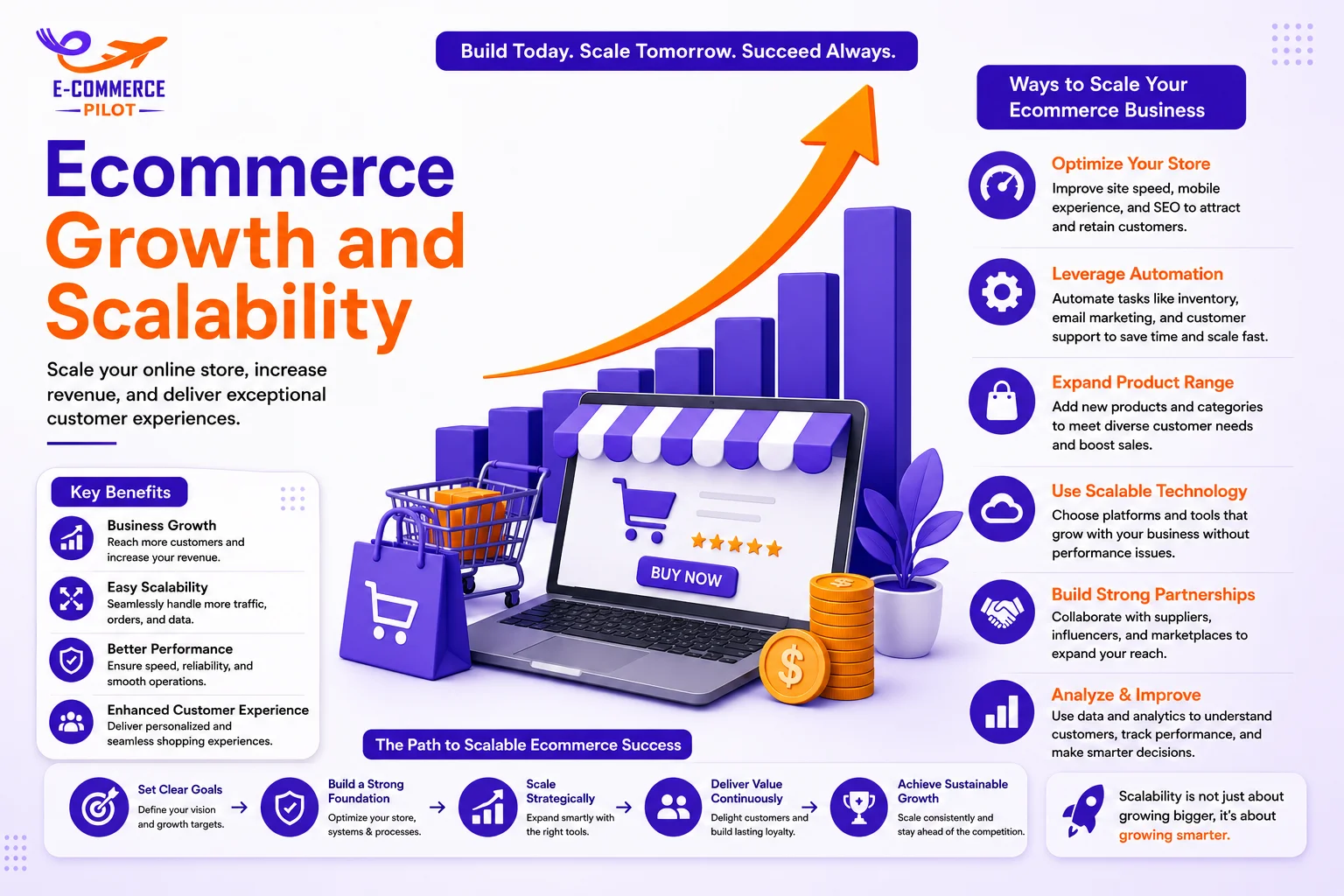
Security and growth potential are important for every ecommerce business. Therefore, platforms should support increasing traffic and sales without compromising performance.
Both platforms can scale successfully; however, management responsibilities differ significantly.
Shopify Security and Growth
Shopify handles security, updates, and hosting automatically. Therefore, businesses can scale operations without technical concerns.
Advantages include:
- SSL certificates included
- Automatic updates
- Reliable infrastructure
- High uptime
This managed approach helps businesses focus on growth rather than maintenance.
WooCommerce Security and Growth
WooCommerce security depends largely on hosting quality and website management. Therefore, users must monitor updates regularly.
Advantages include:
- Flexible hosting options
- Full website control
- Unlimited customization
- Scalable infrastructure
Businesses with technical expertise often appreciate this level of control.
Final Verdict
Choosing between Shopify and WooCommerce depends on your business goals, technical skills, and budget. Shopify works best for users seeking simplicity, reliability, and faster setup. Meanwhile, WooCommerce is ideal for businesses that want complete control, extensive customization, and advanced SEO flexibility. Ultimately, Shopify vs WooCommerce in 2026 remains a close comparison, but the right choice is the one that aligns with your long-term ecommerce strategy and growth plans.
Ready to launch your online store? Let our experts build the perfect Shopify or WooCommerce website for your business today.