
What will you learn?
What Are White Hat Backlinks?
White hat backlinks are links earned through legitimate SEO practices that follow search engine guidelines. Instead of manipulating rankings, these methods focus on providing something useful enough for another website to reference.
A quality backlink can support your site’s authority, referral traffic, and visibility. However, relevance and context matter more than simply collecting a large number of links.
Why Quality Matters More Than Quantity
A hundred random links may not provide the same value as a few relevant links from trusted websites. Therefore, focus on websites that relate to your industry and have genuine audiences.
Consider these factors:
- Website relevance
- Editorial placement
- Content quality
- Page context
- Website reputation
- Potential referral traffic
Create Content That Earns Backlinks
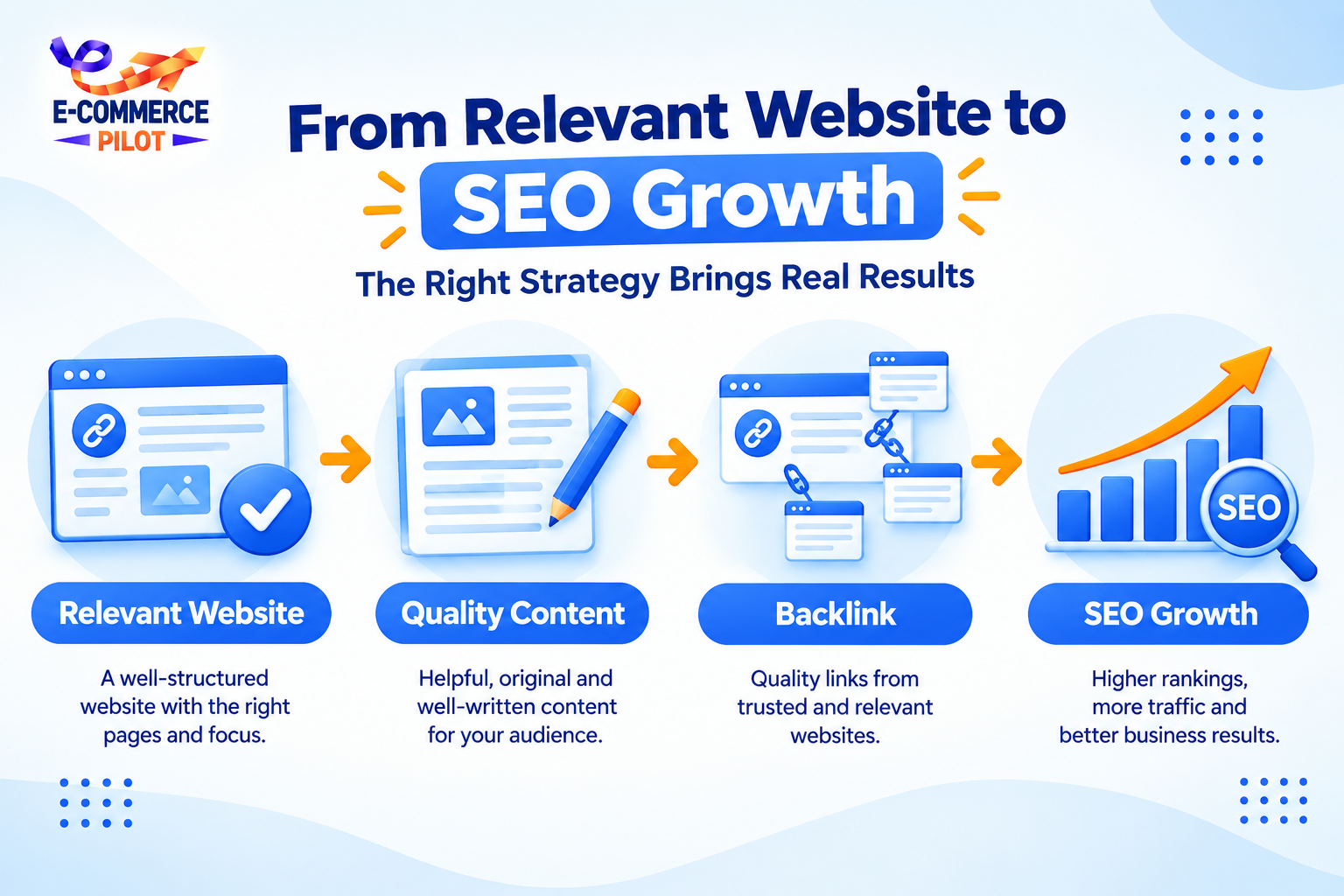
Useful content gives other publishers a reason to reference your website. Therefore, content should answer real questions, provide original information, or make difficult topics easier to understand.
Instead of creating articles only around keywords, build resources that people can cite. This approach can naturally attract white hat backlinks over time.
Publish Link-Worthy Resources
Some content formats are easier for other websites to reference. For example, original research, statistics, detailed guides, checklists, and useful tools can attract editorial links.
Try creating:
- Original research and surveys
- Industry statistics
- Step-by-step guides
- Expert roundups
- Free calculators or templates
- Visual resources and infographics
Use Outreach to Earn Quality Links
Outreach allows you to contact relevant website owners, editors, and content creators about useful resources. However, effective outreach should not feel like mass spam.
First, identify pages where your content genuinely adds value. Then, write a short message explaining why your resource may help their readers.
Make Your Outreach Relevant
Personalized outreach generally works better than sending the same message to hundreds of websites. Mention the specific article or resource and explain the connection clearly.
A simple outreach process includes:
- Find relevant websites
- Identify suitable pages
- Check whether your resource fits
- Write a personalized email
- Follow up politely
- Track responses and placements
Build Links Through Guest Posting
Guest posting can support link building when you contribute genuinely useful content to relevant publications. The goal should be to educate the publication’s audience rather than publish thin articles simply to obtain a link.
Choose websites related to your niche and review their existing content before pitching an idea. Most importantly, follow their editorial requirements.
Focus on Useful Guest Content
A strong guest article should offer information that readers can use. Keep promotional mentions limited and make any included link relevant to the topic.
Before pitching, check:
- Website relevance
- Content standards
- Audience quality
- Existing article topics
- Link policies
- Editorial guidelines
This helps you build white hat backlinks while also reaching a relevant audience.
Earn Backlinks Through Digital PR
Digital PR can generate links when journalists, bloggers, and publishers reference your expertise, data, or company story. This method works particularly well when you have something genuinely useful or newsworthy to share.
For example, you can provide expert comments, publish original research, or create data that supports a wider industry discussion.
Give Publishers a Reason to Mention You
Think about what makes your information useful to journalists or publishers. Original data, expert insights, trends, and practical findings can increase your chances of getting referenced.
Potential approaches include:
- Expert commentary
- Original industry research
- Data-driven reports
- Surveys
- Newsworthy company updates
- Expert interviews
Build Relationships in Your Industry
Link building becomes easier when you build genuine relationships with people in your industry. Connect with bloggers, publishers, business owners, researchers, and other relevant professionals.
However, relationships should not exist only for links. Instead, focus on sharing useful information, collaborating on content, and participating in relevant industry discussions.
Over time, these connections can lead to natural mentions and white hat backlinks.
Avoid Risky Link-Building Tactics
Not every backlink strategy is safe. Buying links solely to manipulate rankings, participating in link schemes, using automated spam, or creating large networks of low-quality sites can create SEO problems.
Therefore, evaluate every link opportunity before pursuing it.
Avoid:
- Automated link-building software
- Spammy directory submissions
- Irrelevant paid links intended to manipulate rankings
- Excessive exact-match anchor text
- Private link networks
- Comment spam
Instead, prioritize relevance, editorial value, and genuine usefulness.
Check and Measure Your Backlinks
Building links is only part of the process. You should also monitor the websites linking to you and review whether those links are relevant and useful.
Track metrics that help you understand the impact of your efforts, such as:
- Referring domains
- Relevant backlinks
- Referral traffic
- Organic traffic
- Ranking changes
- New linking opportunities
Remember that rankings can change for many reasons, so avoid judging a campaign from backlinks alone.
Conclusion
Building white hat backlinks requires useful content, relevant outreach, strong relationships, and patience. Rather than chasing large numbers of links, focus on earning mentions from websites that are relevant to your audience and industry.
When you consistently create valuable resources and promote them responsibly, your backlink profile can grow naturally while supporting your wider SEO strategy.
Want quality backlinks that support long-term SEO growth? Let Ecommerce Pilot build a white hat link strategy for your business.