
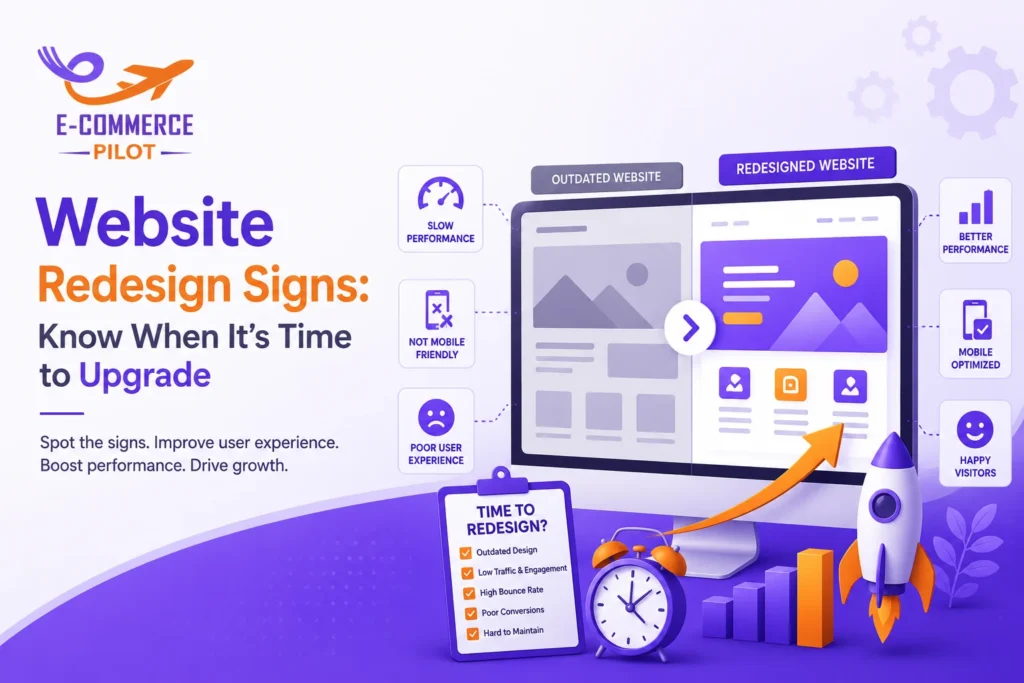
A website redesign can solve many common issues that affect performance and user satisfaction. Moreover, updating your website helps you stay ahead of competitors and support long-term growth. A website often creates the first impression of your business. Therefore, it must look modern, load quickly, and help visitors find information with ease. If your site fails to meet customer expectations, you may lose traffic, leads, and sales
Why Website Redesign Matters for Business Success
Your website works as a digital storefront. Therefore, its design and functionality directly affect customer decisions. If visitors face problems while browsing, they may leave without taking action.
How an Outdated Website Affects User Experience
Old websites often contain broken elements, poor layouts, and outdated visuals. As a result, visitors may question your credibility. Furthermore, users expect websites to work smoothly across all devices.
The Connection Between Website Design and Conversions
Good design guides visitors toward important actions. In contrast, poor layouts create confusion. Therefore, businesses with modern websites often achieve better conversion rates.
Staying Competitive in a Changing Market
Customer expectations change regularly. Meanwhile, competitors continue improving their online presence. Therefore, a website redesign helps businesses remain relevant and competitive.
Slow Website Speed Is a Major Website Redesign Sign
Website speed plays a key role in user satisfaction. If pages load slowly, visitors may leave before viewing your content.
How Page Load Time Impacts User Engagement
Fast websites encourage visitors to stay longer. In addition, users are more likely to explore multiple pages when content loads quickly.
Effects of Slow Speed on Search Rankings
Search engines value fast websites. Therefore, slow performance can reduce visibility in search results. Consequently, your organic traffic may decline over time.
Tools to Measure Website Performance
Tools like page speed analyzers can identify performance issues. As a result, businesses can fix problems before they affect user behavior.
Poor Mobile Experience Signals the Need for a Website Redesign
Mobile users now represent a large portion of website traffic. Therefore, every website should function properly on smartphones and tablets.
Growth of Mobile Traffic
Consumers browse, shop, and research products on mobile devices daily. Because of this trend, mobile optimization has become essential.
Common Mobile Usability Issues
Small text, overlapping elements, and slow loading pages frustrate users. Consequently, visitors often leave mobile-unfriendly websites.
Benefits of a Mobile-Friendly Website
A responsive design improves usability and customer satisfaction. Moreover, search engines favor mobile-friendly websites.
High Bounce Rates Indicate Website Design Problems
A high bounce rate often signals that visitors do not find what they need.
Understanding Bounce Rate Metrics
Bounce rate measures the percentage of users who leave after viewing one page. Therefore, it provides useful insight into website performance.
Common Causes of Visitor Drop-Off
Poor design, confusing layouts, and irrelevant content often increase bounce rates. Additionally, slow loading times can drive users away.
How a Website Redesign Improves Engagement
A website redesign can improve navigation and visual appeal. As a result, visitors stay longer and explore more pages.
Your Website Design Looks Outdated
Visual appearance affects trust. Therefore, outdated designs can harm your brand image.
Visual Elements That Make a Website Appear Old
Old fonts, low-quality images, and cluttered layouts make websites look neglected. Consequently, users may question your professionalism.
Importance of Modern Website Design Trends
Clean layouts and clear navigation improve usability. Furthermore, modern designs create a stronger first impression.
Building Trust Through Professional Design
Professional design helps businesses appear reliable. Therefore, visitors feel more confident when interacting with your brand.
Low Conversion Rates Mean Your Website Needs a Redesign
Traffic alone does not guarantee results. Instead, your website must convert visitors into customers.
Identifying Conversion Bottlenecks
Poor calls to action and confusing page structures often reduce conversions. Therefore, identifying weak areas is essential.
Improving Calls to Action
Clear buttons and persuasive messaging guide users toward action. As a result, conversion rates often improve.
Creating a Better Customer Journey
Simple navigation and logical page structures help users move through the sales process more effectively.
Difficult Website Navigation Hurts User Experience
Visitors should find information quickly. Otherwise, they may leave your website.
Signs of Confusing Navigation Structure
Complex menus and hidden pages create frustration. Consequently, users spend less time on your site.
Best Practices for Website Navigation
Clear menus and organized categories improve usability. Moreover, they help visitors locate important information faster.
How Better Navigation Supports SEO
Search engines also benefit from organized website structures. Therefore, improved navigation can support better rankings.
Your Website Is Not Generating Enough Leads
Lead generation remains a primary goal for most businesses. However, outdated websites often struggle to attract inquiries.
Reasons Lead Generation May Be Declining
Weak forms, unclear messaging, and poor design can reduce lead generation efforts.
Optimizing Landing Pages for Conversions
Focused landing pages encourage users to take action. In addition, strong headlines improve engagement.
Lead Capture Features Every Business Website Needs
Contact forms, call buttons, and inquiry options make it easier for visitors to connect with your business.
Website Content Is Outdated or Hard to Manage
Content keeps a website relevant. Therefore, regular updates are necessary.
Why Fresh Content Matters
Updated content provides value to users. Furthermore, search engines favor websites that remain active.
Content Management System Limitations
Older systems often make updates difficult. Consequently, businesses waste time managing content.
Benefits of a Modern Website Platform
Modern platforms simplify content management and support future growth.
SEO Performance Is Declining
Search visibility affects traffic and leads. Therefore, declining rankings should not be ignored.
Technical SEO Issues That Require a Redesign
Broken links, poor structures, and outdated code can hurt rankings. As a result, search traffic may decrease.
Website Structure and Search Visibility
Well-organized websites help search engines understand content more effectively.
How a Website Redesign Supports SEO Growth
A website redesign can address technical issues and improve user engagement. Consequently, SEO performance often improves.
Security and Website Maintenance Problems Are Increasing
Website security protects both businesses and customers.
Risks of Outdated Software and Plugins
Old software creates security vulnerabilities. Therefore, regular updates remain important.
Protecting Customer Data
Secure websites build trust. In addition, they help prevent data breaches.
Security Features of Modern Websites
Modern platforms include stronger security tools and maintenance options.
Competitors Have Better Websites
Competition online continues to grow. Therefore, businesses must keep pace.
Comparing User Experience and Design
Competitor websites may offer faster speeds and better usability. As a result, customers may choose them instead.
Competitive Advantages of a Modern Website
Modern websites create stronger impressions and support better conversions.
What Businesses Can Learn from Industry Leaders
Analyzing successful competitors can reveal opportunities for improvement.
Benefits of Investing in a Website Redesign
A redesign offers benefits beyond appearance.
Better User Experience
Improved usability helps visitors interact with your website more effectively.
Increased Conversions and Sales
Clear layouts and stronger calls to action encourage customer action.
Improved Search Engine Rankings
Better performance and structure support SEO efforts.
Stronger Brand Credibility
Professional websites build trust and strengthen brand perception.
Conclusion
Ignoring website problems can lead to lower traffic, reduced leads, and declining sales. Therefore, businesses should regularly review performance, design, and usability. If you notice slow speeds, poor mobile functionality, outdated visuals, or low conversions, it may be time for a website redesign. Taking action early helps your business remain competitive and creates a better experience for every visitor.
Is your website holding your business back? Contact us today for a professional website redesign that helps you attract more visitors and generate more leads.