
What will you learn?
Why SEO and Digital Marketing Matter
Every business wants more customers, but attracting the right audience requires more than one marketing method. SEO and Digital Marketing work together to improve visibility, increase website traffic, and build trust with potential customers. While SEO helps people find your website through search engines, digital marketing keeps your brand visible across different online platforms. As a result, businesses can reach more people and create more opportunities for sales.
Better Online Visibility
Customers search online before making buying decisions. Therefore, ranking well in search engines gives your business an advantage over competitors. At the same time, social media, email campaigns, and paid advertising introduce your brand to people who may not have searched for it yet. Together, these channels increase brand awareness and drive more qualified visitors to your website.
Benefits
- Higher search rankings
- More website visitors
- Better brand awareness
- Increased customer trust
Better Customer Experience
A successful marketing strategy focuses on customer satisfaction as well as traffic. SEO improves page speed, mobile usability, and website structure. Meanwhile, digital marketing provides useful content that answers customer questions and guides them through the buying process. Consequently, visitors stay longer, interact with more pages, and are more likely to become customers.
Understanding SEO and Digital Marketing
Many people believe SEO and digital marketing are the same, but they have different purposes. SEO is one part of digital marketing that focuses on improving search engine rankings. Digital marketing includes several online methods that help businesses reach customers, increase engagement, and generate sales. Understanding this difference helps companies build a balanced marketing strategy.
What SEO Includes
SEO improves website performance so search engines can understand and rank content more effectively. It involves keyword research, technical improvements, content optimization, and quality backlinks. These activities increase organic traffic and improve website authority over time. As rankings improve, businesses receive more visitors without depending only on paid advertising.
SEO Activities
- Keyword research
- On-page SEO
- Technical SEO
- Link building
- Content optimization
What Digital Marketing Includes
Digital marketing covers every online activity used to promote a business. It includes content marketing, social media, email campaigns, paid advertising, influencer marketing, and video marketing. Each channel supports different business goals while working together to improve customer engagement and increase conversions.
How SEO Supports Business Growth
SEO provides long-term value because it attracts visitors who are actively searching for products or services. Unlike paid advertising, organic traffic continues to grow as your website gains authority. Therefore, businesses receive consistent leads while reducing their overall marketing costs. High-quality SEO also improves credibility because customers trust websites that appear on the first page of search results.
Building Long-Term Organic Traffic
Publishing useful content regularly helps websites rank for more keywords. Every optimized article creates another opportunity to attract visitors through search engines. Furthermore, updating existing content keeps rankings strong and improves user experience. Over time, businesses benefit from steady traffic without increasing advertising costs.
Advantages
- Consistent organic traffic
- Lower customer acquisition costs
- Better search visibility
- Higher return on investment
Digital Marketing Channels That Strengthen SEO
SEO becomes even more effective when supported by other digital marketing channels. Content marketing, social media, email marketing, and paid campaigns help distribute valuable content to a larger audience. As more people engage with your content, brand awareness grows, website traffic increases, and search engines receive stronger engagement signals.
Content Marketing
High-quality content answers customer questions while targeting valuable keywords. Blog posts, buying guides, case studies, and videos educate visitors and encourage them to spend more time on your website. In addition, useful content often earns backlinks from other websites, which supports better search rankings.
Content Ideas
- Blog articles
- Buying guides
- Case studies
- Infographics
- Videos
Creating a Winning Marketing Strategy
A successful business does not treat SEO and digital marketing as separate activities. Instead, both should support the same business goals and target the same audience. A clear strategy helps every marketing channel work together and improves the customer journey. Consequently, businesses generate more qualified leads and achieve better long-term results.
Set Clear Business Goals
Every marketing campaign should begin with measurable goals. These goals may include increasing website traffic, generating more leads, improving sales, or building brand awareness. Clear objectives also make it easier to track progress and adjust campaigns when needed. As a result, businesses can invest their budget more effectively.
Best Practices
- Define your target audience.
- Set realistic marketing goals.
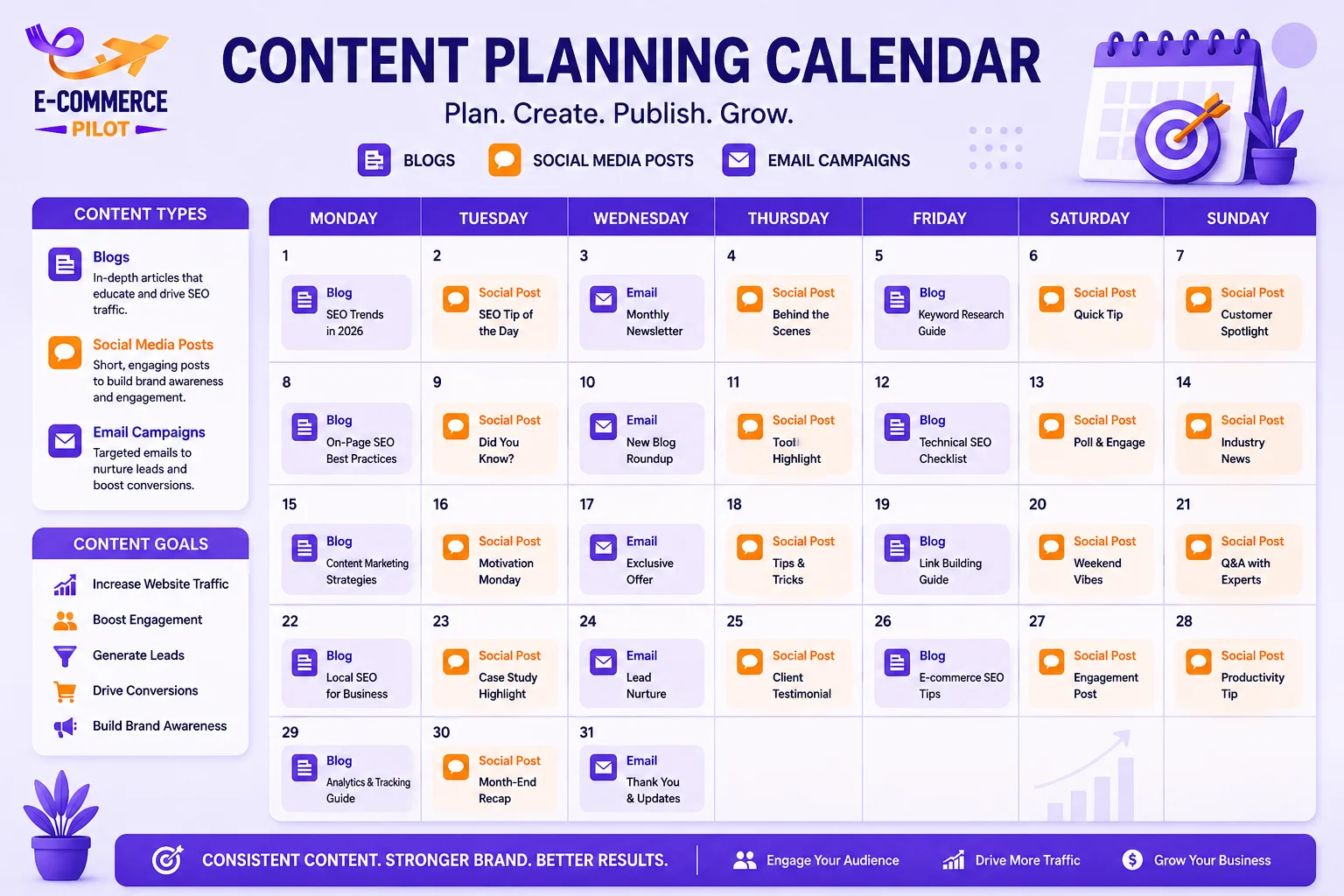
- Create a monthly content plan.
- Monitor campaign performance regularly.
Create Helpful Content
Content remains one of the strongest ways to attract customers. Therefore, publish articles, product pages, videos, and guides that answer common customer questions. Each piece of content should target search intent while providing useful information. Consistent publishing also helps search engines crawl your website more often.
Common Mistakes to Avoid
Many businesses invest in marketing but fail to achieve good results because they repeat common mistakes. Avoiding these issues helps improve rankings, increase engagement, and generate more conversions. In addition, regular reviews keep your marketing strategy aligned with changing customer behavior.
Ignoring Technical SEO
A website with broken links, slow loading speed, or mobile usability issues can lose valuable traffic. Therefore, businesses should perform regular technical SEO audits and fix problems quickly. A well-optimized website provides a better experience for both users and search engines.
Publishing Low-Quality Content
Content written only for search engines rarely performs well. Instead, every article should provide useful information, answer customer questions, and include relevant keywords naturally. Quality content encourages visitors to stay longer and return for more information.
Not Measuring Performance
Running campaigns without reviewing data makes improvement difficult. Businesses should monitor important metrics every month to identify successful strategies and areas that need attention.
Common Mistakes
- Ignoring keyword research
- Publishing duplicate content
- Forgetting mobile optimization
- Not updating old articles
- Tracking too few performance metrics
Measuring Results
Tracking performance helps businesses understand whether their marketing strategy is achieving its goals. Regular reporting also makes it easier to improve campaigns and increase return on investment. Therefore, businesses should review data consistently instead of relying on assumptions.
Important Performance Metrics
Several key performance indicators show how well SEO and Digital Marketing are working together. Monitoring these numbers helps businesses make informed decisions and improve future campaigns.
Key Metrics
- Organic traffic
- Keyword rankings
- Conversion rate
- Lead generation
- Website engagement
- Click-through rate
- Return on investment (ROI)
Future Trends in 2026
Online marketing continues to change every year. Therefore, businesses should stay updated with new technologies and customer expectations. Companies that adapt early often gain an advantage over competitors and maintain steady growth.
AI Search and User Experience
Artificial intelligence is changing how people search for information online. At the same time, search engines continue to reward websites that provide useful content and excellent user experience. Fast loading pages, mobile-friendly designs, and clear navigation will remain important ranking factors throughout 2026.
Personalization and First-Party Data
Customers expect businesses to provide relevant content and personalized communication. Collecting first-party data through newsletters, contact forms, and customer accounts helps businesses create better marketing campaigns while respecting privacy regulations.
Conclusion
Business growth depends on using the right combination of marketing strategies. SEO and Digital Marketing help businesses improve search visibility, attract qualified visitors, build customer trust, and increase conversions. While SEO delivers steady organic traffic, digital marketing expands your reach through multiple online channels. Together, they create a reliable strategy for long-term success. Businesses that invest in both today will be better prepared for the opportunities and competition of 2026.
Ready to grow your business? Our SEO and digital marketing experts can help you increase traffic, generate more leads, and achieve measurable results. Contact us today and let’s build your growth strategy together!