
What will you learn?
What Determines Small Business Website Costs?
The total price of a website depends on many different factors. Every business has unique goals, which means website requirements can vary significantly. Therefore, the overall investment depends on the scope of work involved. Moreover, understanding these cost factors allows businesses to choose the right solution without overspending.
Website Size and Number of Pages
The number of pages on a website directly affects development costs. A small website with five pages requires less work than a website with dozens of pages. In addition, businesses that need service pages, blog sections, and landing pages often require additional planning and design. As a result, larger websites generally cost more than smaller projects.
Design Requirements
Website design plays a major role in pricing. While pre-built templates provide a budget-friendly option, custom designs require more time and expertise. Furthermore, custom layouts help businesses create a unique brand identity. Therefore, businesses seeking a personalized appearance should expect higher design costs.
Features and Functionality
The more features a website includes, the higher the overall cost becomes. Contact forms, appointment booking systems, customer portals, and ecommerce functions all require additional development work. Consequently, businesses should focus on features that support their objectives and customer needs.
Average Website Cost by Website Type
Website pricing varies depending on the type of website being developed. Different industries and business models require different features. Therefore, understanding common website categories helps estimate realistic costs.
Basic Informational Websites
Basic websites are ideal for local businesses that need an online presence. These websites usually include a homepage, service pages, an about page, and a contact page. Since functionality is limited, costs typically range between $500 and $2,500.
Professional Business Websites
Professional websites offer custom designs, stronger branding, and advanced functionality. Additionally, they often include lead-generation tools and SEO-friendly structures. Therefore, businesses can expect costs between $2,500 and $10,000 depending on project requirements.
Ecommerce Websites
Ecommerce websites require payment gateways, product management systems, customer accounts, and security features. Because of these requirements, development costs are usually higher. As a result, ecommerce websites often cost between $3,000 and $30,000 or more.
Domain Name and Hosting Expenses
Every website requires a domain name and web hosting service. Although these expenses are relatively small compared to development costs, they remain essential. Therefore, businesses should include them in their annual budget.
Domain Registration Costs
A domain name serves as the online address of a business. Most standard domains cost between $10 and $30 per year. However, premium domain names can cost hundreds or even thousands of dollars depending on demand.
Web Hosting Costs
Hosting stores website files and keeps them accessible to visitors. Shared hosting is often the most affordable option for small businesses. On the other hand, dedicated or cloud hosting solutions offer better performance but come at a higher cost.
Website Design Costs
Website design has a direct impact on user experience and brand perception. A professionally designed website builds trust and encourages visitors to take action. Therefore, investing in quality design can provide long-term benefits.
Template-Based Design
Templates offer a fast and affordable way to launch a website. They reduce design time and simplify development. However, customization options are often limited, which may affect branding flexibility.
Custom Website Design
Custom designs are created specifically for a business and its audience. In addition, they allow complete control over layout, branding, and functionality. As a result, custom websites typically require a larger investment.
Website Development Costs
Development focuses on building the functionality and performance of a website. While design controls appearance, development ensures everything works correctly. Therefore, development costs depend on the complexity of the project.
Front-End Development
Front-end development includes everything visitors see and interact with. This includes menus, buttons, page layouts, and mobile responsiveness. Consequently, advanced interfaces often require additional development time.
Back-End Development
Back-end development powers the functionality behind the website. It manages databases, integrations, and server-side operations. Therefore, websites with custom features generally require more extensive development work.
Content Creation and SEO Expenses
A website needs quality content to attract visitors and generate leads. Therefore, businesses should consider content and SEO expenses when calculating their total website budget.
Website Copywriting
Professional copywriting helps communicate services clearly and effectively. Furthermore, strong content improves user engagement and conversion rates. As a result, many businesses invest in professional content writing services.
Search Engine Optimization
SEO helps websites rank higher in search engine results. Although some businesses handle SEO internally, others work with specialists. Therefore, SEO costs vary depending on competition and business goals.
Ecommerce Website Pricing
Ecommerce websites require additional tools and features that standard websites do not need. Therefore, online stores generally cost more to build and maintain.
Payment Gateway Integration
Secure payment processing is essential for ecommerce websites. Payment gateways often involve setup costs and transaction fees. Consequently, businesses should compare providers carefully before making a decision.
Product and Inventory Management
Online stores require systems to manage products, inventory levels, and shipping information. Furthermore, larger stores often need automation tools. As a result, costs increase as product catalogs grow.
Ongoing Website Maintenance Costs
Launching a website is only the beginning. Regular maintenance ensures the website remains secure, functional, and up to date. Therefore, businesses should budget for ongoing expenses.
Security Updates
Security updates protect websites from vulnerabilities and cyber threats. In addition, regular updates help maintain website stability and performance. Therefore, security should never be ignored.
Technical Support
Technical support helps resolve website issues quickly and efficiently. Moreover, support services reduce downtime and improve user experience. As a result, many businesses choose ongoing maintenance plans.
Hidden Costs to Consider
Many business owners focus only on development costs. However, several additional expenses may appear after launch. Therefore, understanding hidden costs helps avoid unexpected surprises.
Premium Plugins and Software
Many websites require premium plugins to provide additional functionality. While individual subscriptions may seem affordable, costs can accumulate over time.
Third-Party Integrations
CRM systems, email marketing tools, booking software, and analytics platforms often involve monthly fees. Consequently, businesses should factor these costs into their long-term budget.
DIY vs Professional Website Development
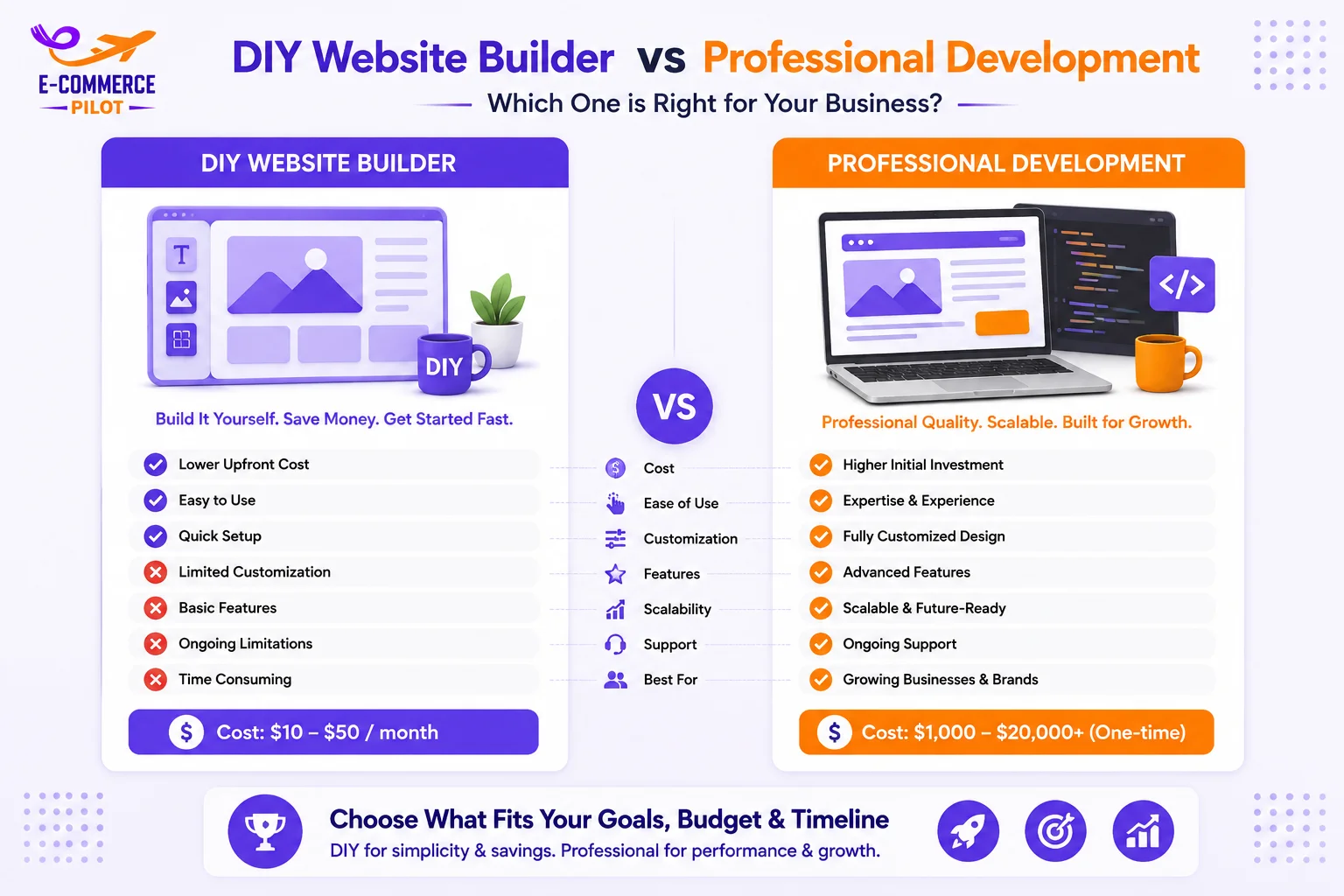
Business owners often debate whether to build a website themselves or hire professionals. Both approaches have advantages and limitations. Therefore, the right choice depends on business goals and available resources.
DIY Website Builders
DIY website builders provide affordable tools for creating websites. In addition, they offer easy-to-use interfaces for beginners. However, customization and scalability may be limited.
Professional Website Services
Professional developers provide expert guidance, custom solutions, and ongoing support. Although the initial investment is higher, businesses often benefit from improved performance and long-term value.
How to Budget for Your Business Website
Creating a website budget helps businesses plan effectively. Therefore, a clear budget ensures resources are allocated wisely and unnecessary expenses are avoided.
Define Business Goals
Business objectives determine the features and functionality required. As a result, clear goals help prevent unnecessary spending and improve project outcomes.
Plan for Future Growth
A scalable website can accommodate future business expansion. Therefore, investing in growth-ready solutions often reduces future redevelopment costs.
Is a Cheap Website Worth It?
Cheap websites may appear attractive because of their low upfront costs. However, they often lack quality design, security, scalability, and support. Furthermore, businesses may need expensive upgrades later. Therefore, focusing on long-term value is usually a better strategy than choosing the lowest price.
Conclusion
Understanding Website Cost is essential for making informed decisions about your online presence. While pricing varies based on design, functionality, content, hosting, and maintenance requirements, careful planning helps businesses choose the right solution. Moreover, investing in a quality website often generates better results, improves customer trust, and supports long-term business growth. Therefore, businesses should evaluate both current needs and future goals before selecting a website solution.
Ready to build a website that fits your budget and grows your business? Contact us today for a custom website solution designed for long-term success.